

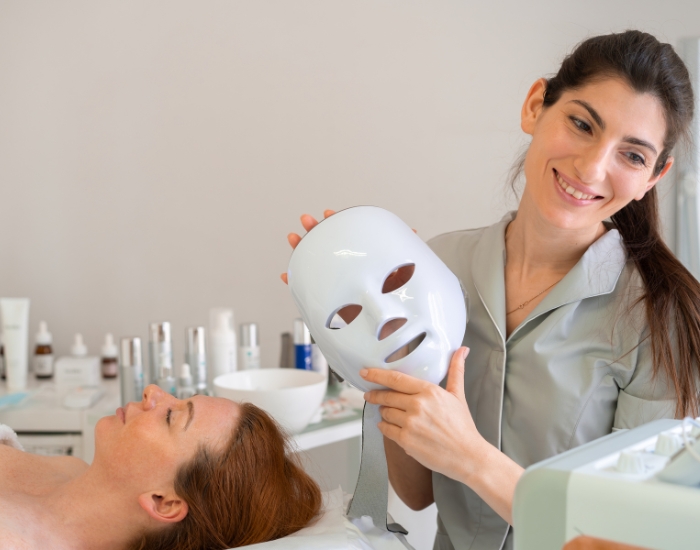
Acne is one of the most common skin concerns across all age groups — from teenagers struggling with breakouts to adults dealing with stubborn pimples and scarring. With so many treatment options available, it’s important to choose solutions backed by science and personalized care. One increasingly popular choice is Hydrafacial for Acne, a medical-grade facial known for cleansing, exfoliation, extraction, hydration, and antioxidant protection.
In this blog, we’ll explore how Hydrafacial for Acne works, what to expect during and after treatment, and whether it might be a good fit for your skin goals. This guide is meant to inform and educate, not promote specific services — though we’ll share ways to take the next step at CoCo Medical Spa at the end.
Table of Contents
- What Is a Hydrafacial?
- How Does a Hydrafacial Work for Acne?
- Top 5 Benefits of Hydrafacials for Acne-Prone Skin
- Who Should Consider Hydrafacials for Acne?
- What to Expect During Your Hydrafacial Treatment
- Post-Treatment Care & Results
- Potential Risks and When to Avoid Hydrafacials
- 5 FAQs About Hydrafacials for Acne
- Final Thoughts
1. What Is a Hydrafacial?
A Hydrafacial for Acne is a medical-grade facial treatment that combines multiple steps into one streamlined procedure. Using a specialized device, a Hydrafacial for Acne performs cleansing, exfoliation, extraction, hydration, and serum infusion in a single session. Unlike traditional facials that rely mainly on manual techniques, Hydrafacial for Acne treatments use a gentle suction tool to remove dead skin cells and unclog pores while delivering nourishing serums. This process is designed to improve skin texture, reduce congestion, and enhance hydration without causing irritation or downtime. Hydrafacial for Acne treatments are often described as a “glow facial” because they leave the skin looking brighter and smoother immediately after treatment.
2. How Does a Hydrafacial Work for Acne?
Hydrafacial for Acne can be effective because it targets several common causes of breakouts at once. First, the Hydrafacial for Acne treatment deeply cleans pores using a combination of exfoliation and suction, which helps remove oil, debris, and bacteria that contribute to acne formation. The exfoliation step removes dead skin cells that can clog pores and cause comedones (blackheads and whiteheads). Hydration is also a key part of the Hydrafacial for Acne process because acne-prone skin still needs moisture to maintain a healthy barrier. Over-drying the skin can actually increase oil production, making acne worse. Additionally, Hydrafacial for Acne serums often include antioxidants and calming ingredients that help reduce inflammation and redness, supporting clearer and calmer skin over time.
3. Top 5 Benefits of Hydrafacials for Acne-Prone Skin
Here are the key advantages of using Hydrafacials for acne treatment plan:
- Deep Cleansing and Extractions: Hydrafacial technology deeply cleans pores and uses vacuum-assisted extraction that is gentler and often less irritating than traditional manual extraction.
- Reduces Blackheads and Whiteheads: By exfoliating and clearing out debris, Hydrafacials help reduce the formation of comedonal acne (blackheads and whiteheads).
- Hydrates Without Clogging Pores: Hydrafacial serums are typically non-comedogenic (won’t clog pores), making them suitable even for oily, acne-prone skin.
- Improves Skin Texture and Radiance: Repeated treatments can smooth rough texture and improve skin clarity over time, contributing to fewer future breakouts.
- Offers Customization: Hydrafacials can be tailored with acne-specific boosters or peels to address individual skin needs, including stubborn acne and post-acne marks.
4. Who Should Consider Hydrafacials for Acne?
Hydrafacials are most suitable for people with mild to moderate acne who want a non-invasive treatment with minimal downtime. They are especially helpful for individuals dealing with clogged pores, blackheads, whiteheads, and oily skin. Because the treatment is customizable, it can be adjusted based on specific skin needs and sensitivity levels. Hydrafacials are also a good option for people who want to improve skin texture and tone while managing acne. However, for those with severe cystic acne or frequent inflammatory breakouts, Hydrafacials should ideally be used alongside medical acne treatments and guidance from a dermatologist or skincare professional. In such cases, Hydrafacials work best as part of a broader acne management plan rather than as a standalone solution.
5. What to Expect During Your Hydrafacial Treatment
Here’s a step-by-step breakdown of what typically happens during a Hydrafacial session:
- Consultation: Your provider assesses your skin concerns, acne history, and goals to customize the treatment.
- Cleansing and Exfoliation: The Hydrafacial device gently removes dead skin cells and surface impurities.
- Acid Peel (Optional): A mild chemical exfoliant may be applied to loosen debris and encourage cell turnover.
- Extraction: A vacuum-based tip clears out clogged pores without harsh manual pressure.
- Hydration: Serums containing hyaluronic acid, antioxidants, and peptides are infused to hydrate and protect the skin.
- Final Protective Layer: Your provider may apply additional soothing products to maximize comfort and results.
A typical session lasts 30 to 60 minutes, feels comfortable throughout, and usually requires no downtime afterward.
6. Post-Treatment Care & Results
Immediate Aftercare
- Avoid heavy makeup for the rest of the day
- Use gentle cleansers and moisturizers
- Wear broad-spectrum sunscreen
Timeline of Results
- Immediately after: Skin may appear brighter, cleaner, and more hydrated
- 1–3 days later: Pores often look clearer
- With regular sessions: Acne severity and frequency of breakouts may decrease
Most people benefit from a series of treatments spaced 2–4 weeks apart, depending on their skin’s condition and concerns.
7. Potential Risks and When to Avoid Hydrafacials
Hydrafacials are generally safe, but they may not be suitable for everyone. Some people may experience mild redness or sensitivity immediately after treatment, especially if their skin is sensitive or reactive. In rare cases, the exfoliation and extraction process can cause irritation if the skin barrier is already compromised. People with highly inflamed or cystic acne may also find the treatment uncomfortable or less effective, and it may aggravate their condition if not properly managed.
Individuals with active cold sores, open wounds, or known allergies to any ingredients used in the serums should avoid Hydrafacials until the issue is resolved. Consulting a skincare professional or dermatologist before treatment is recommended to ensure it is safe and appropriate for your specific skin condition.
8. 5 FAQs About Hydrafacials for Acne
Q: Are Hydrafacials good for acne scars?
Hydrafacials can help improve the appearance of mild acne scars by boosting cell turnover and hydration, but deeper scarring may require other treatments like microneedling or lasers.
Q: How often should I get a Hydrafacial for acne?
Most providers recommend every 3–4 weeks for acne-prone skin to maintain clear pores and skin balance.
Q: Can Hydrafacials cause breakouts?
While rare, improper aftercare or overly rich products can trigger breakouts. Following a customized plan and gentle products reduces this risk.
Q: Is a Hydrafacial painful?
Most people find Hydrafacials comfortable and relaxing. The extraction stage may feel like mild suction but shouldn’t be painful.
Q: Can Hydrafacials replace acne medication?
Hydrafacials are best used as part of a treatment plan, not always as a replacement for prescribed medications — especially for moderate to severe acne.
9. Final Thoughts
Hydrafacials offer a versatile, science-backed, and gentle approach to managing acne-prone skin. By combining deep cleansing, exfoliation, extraction, and hydration, this treatment can help reduce breakouts, refine texture, and improve overall skin health. However, it’s essential to recognize that Hydrafacials are most effective when used as part of a comprehensive skincare plan — ideally designed with input from trained professionals.
If you’re curious whether a Hydrafacial is right for your acne concerns, consider scheduling a consultation with the team at CoCo Medical Spa. Their experienced aesthetics professionals can help tailor treatments to your skin type and goals.
Disclaimer: This article is intended for informational purposes only and does not replace professional medical advice. Individual results may vary. Always consult with a licensed skincare provider or dermatologist before beginning any new treatment.