

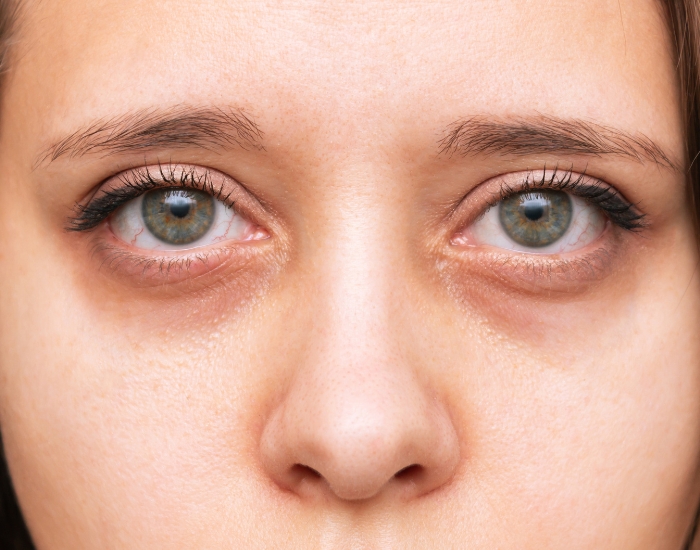
Dark circles under eyes can make you look tired, older, or stressed—even when you’re well-rested. Many people assume dark circles are simply a result of poor sleep, but the reality is more complex. Dark circles can be caused by genetics, pigmentation, aging, allergies, or even lifestyle factors such as dehydration and stress. Understanding the root cause is the key to choosing a treatment that actually works. In this article, we’ll explore the most common causes of dark circles and review the most effective treatment options available today.
Table of Contents
- What Causes Dark Circles Under Eyes?
- Common Types of Dark Circles
- Lifestyle and Health Factors That Worsen Dark Circles
- Dark Circles Under Eyes – Effective Treatment
- When to See a Doctor
- FAQs
- Final Thoughts
1. What Causes Dark Circles Under Eyes?
Dark circles appear when the skin under the eyes becomes darker or thinner, making blood vessels more visible. Some people naturally have darker skin under the eyes, but there are several common causes:
- Genetics: Dark circles often run in families.
- Thin Skin: The skin under the eyes is thin and delicate, so any changes in blood flow or pigmentation show more easily.
- Blood Vessel Visibility: When blood pools in the under-eye area, it can create a blue or purple shadow.
- Pigmentation: Increased melanin (skin pigment) can cause brown or gray circles.
- Aging: As we age, skin loses collagen and fat, causing hollowness and shadows.
2. Common Types of Dark Circles
Dark circles are not all the same, and the type you have directly affects which treatment will work best. One common type is blue or purple dark circles, which are usually caused by visible blood vessels or poor circulation. These tend to appear darker in colder temperatures or when you’re tired, as the blood vessels become more noticeable through the thin under-eye skin. Another type is brown or tan dark circles, which are typically caused by hyperpigmentation.
This form is common in people with darker skin tones and can worsen with sun exposure, as UV rays stimulate melanin production in the skin. The third type is shadow or hollow dark circles, which appear as dark lines or shadows under the eyes. These are caused by volume loss in the under-eye area, and factors such as aging, genetics, or weight loss can contribute to this hollow appearance.
3. Lifestyle and Health Factors That Worsen Dark Circles
Even if genetics play a major role, several lifestyle and health factors can make dark circles worse. Lack of sleep can increase blood vessel visibility, making the under-eye area look darker and more tired. Dehydration can also make dark circles more noticeable because dry skin tends to show shadows more easily. Allergies can contribute as well, since histamine release causes swelling and redness, which can create darker shadows under the eyes.
Smoking damages skin and reduces collagen production, accelerating skin thinning and making dark circles more visible. Poor diet, especially low iron or vitamin deficiencies, can also contribute to dark circles. Additionally, high stress levels can increase inflammation and blood flow to the area, worsening the appearance of dark circles.
4. Dark Circles Under Eyes – Effective Treatment
Dark circle treatment depends on the underlying cause, and the most effective options are those backed by dermatology and clinical studies. Topical treatments are usually the first step. For pigmentation-based dark circles, ingredients like vitamin C help reduce melanin production and brighten the skin, while retinoids promote collagen production and improve skin texture. In some cases, hydroquinone may be used under medical supervision to reduce dark pigmentation. For dark circles caused by visible blood vessels, caffeine-based creams can tighten blood vessels and reduce puffiness, and vitamin K can help strengthen capillaries.
Laser therapy is another effective option, especially for pigmentation and collagen stimulation. Lasers can treat brown or shadow-type dark circles and are often chosen when topical creams alone do not provide sufficient results. Chemical peels can also improve pigmentation by removing dead skin cells and encouraging new cell growth, making them especially useful for brown or tan dark circles. Injectable fillers are highly effective for hollow dark circles because dermal fillers, such as hyaluronic acid, can restore volume and reduce shadows.
Microneedling stimulates collagen production and improves skin thickness, which reduces the visibility of blood vessels and works well for thin under-eye skin. Platelet-rich plasma (PRP) is another treatment that uses your own blood to stimulate collagen and improve skin tone, helping to reduce pigmentation and improve texture over time.
5. When to See a Doctor
Most dark circles are harmless, but it’s important to seek medical advice if:
- The dark circles suddenly appear or worsen quickly
- You have severe swelling or pain
- You notice redness, itching, or skin changes
- Dark circles are accompanied by vision changes
A doctor or dermatologist can determine whether the cause is medical, such as anemia, allergies, or thyroid issues.
6. FAQs
Q1: What is the best treatment for dark circles under eyes from genetics?
A1: Genetic dark circles often respond best to a combination of topical brightening creams, laser therapy, and sometimes fillers to reduce hollowness. A professional evaluation can help determine the right approach.
Q2: How can I reduce dark circles under eyes naturally at home?
A2: Natural methods include getting enough sleep, staying hydrated, reducing salt intake, and using cold compresses. These help improve circulation and reduce puffiness.
Q3: Can dark circles under eyes be caused by allergies?
A3: Yes. Allergies can cause inflammation and swelling, making blood vessels more visible and increasing dark circle appearance.
Q4: What treatment works for dark circles under eyes due to pigmentation?
A4: Pigmentation-based dark circles respond well to vitamin C, retinoids, and professional treatments like chemical peels or laser therapy.
Q5: Do under-eye fillers help with dark circles and hollowness?
A5: Yes. Under-eye fillers can restore volume and reduce shadows caused by hollowness, making dark circles appear less noticeable.
7. Final Thoughts
Dark circles under the eyes are a common concern that can result from genetics, aging, lifestyle, or health issues. While they are often harmless, they can impact confidence and appearance. The best treatment depends on identifying the cause. Topical creams, laser therapy, chemical peels, fillers, and PRP are all effective options when matched to the right type of dark circle. A professional consultation is the best way to determine which treatment is suitable for you.
If you’re ready to address dark circles with a personalized treatment plan, CoCo Medical Spa can help you determine the cause and recommend the best solutions for your skin.
Disclaimer: This article is for informational purposes only and does not replace professional medical advice. Please consult a qualified healthcare professional before starting any treatment.