

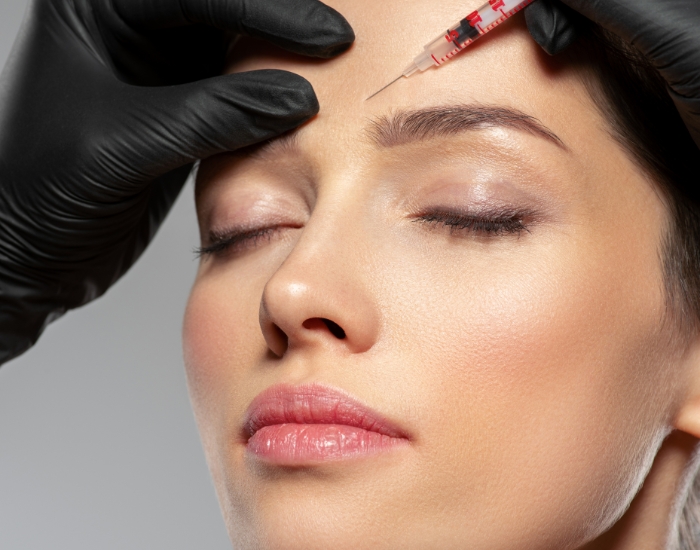
Frown lines — the vertical creases that form between the eyebrows — can make you look tired, stressed, or older than you feel. These lines develop over time as a result of repeated facial movements like frowning, squinting, or concentrating. Botox has become a widely chosen treatment for softening frown lines because it offers quick results with minimal downtime. In this blog, we’ll explain what Botox for frown lines is, how it works, who it’s best for, and what to expect during and after treatment. This article is intended to educate and inform rather than promote specific services, though a simple next step at the end is included for CoCo Medical Spa.
Table of Contents
- Understanding Frown Lines: What Causes Them?
- How Botox Relaxes the Muscles Behind Frown Lines
- Why Many People Choose Botox for Frown Line Reduction
- Is Botox for Frown Lines Right for You?
- Step-by-Step: What a Botox Appointment Looks Like
- Recovery, Aftercare, and Visible Improvements
- Safety, Side Effects, and Important Considerations
- FAQs
- Final Thoughts
1. Understanding Frown Lines: What Causes Them?
Frown lines are the vertical creases that form between the eyebrows and are often referred to as “11 lines.” These lines develop primarily from repeated facial expressions such as frowning, squinting, or concentrating. Over time, these movements cause the underlying muscles to contract repeatedly, which gradually creases the skin. As the skin ages, it naturally loses collagen and elastin—two proteins responsible for keeping skin firm and flexible—making frown lines more noticeable and longer-lasting. External factors such as sun exposure, stress, pollution, and genetics can also accelerate the deepening of these lines. Although frown lines are a normal part of aging, many people seek treatment to soften their appearance and maintain a more relaxed, approachable facial expression.
2. How Botox Relaxes the Muscles Behind Frown Lines
Botox works by targeting the specific facial muscles responsible for creating frown lines. When injected into the muscles between the eyebrows, Botox temporarily blocks nerve signals that trigger muscle contractions. This relaxation prevents the muscles from tightening as forcefully, which reduces the repetitive motion that causes lines to deepen. As the muscles remain relaxed, the skin above them has time to smooth out, leading to a softer appearance. Botox does not fill the lines; instead, it addresses the root cause by limiting muscle activity. This makes Botox for frown lines a non-surgical approach that delivers visible improvement without altering natural facial expressions when performed correctly.
3. Why Many People Choose Botox for Frown Line Reduction
Botox for frown lines offers several advantages for those looking to reduce the appearance of forehead creases and achieve a more youthful expression:
- Quick treatment with minimal downtime
- Natural-looking results when performed by a skilled provider
- Reduces muscle movement that causes frown lines
- Can prevent deeper lines from forming over time
- Results can be seen within days
4. Is Botox for Frown Lines Right for You?
Botox for frown lines may be a good option for adults who have visible lines between the eyebrows and prefer a non-surgical solution. Ideal candidates are generally healthy individuals with realistic expectations about what Botox can achieve. It is commonly used by people who want to reduce signs of aging or prevent existing lines from worsening. However, Botox may not be suitable for everyone. Individuals who are pregnant or breastfeeding, have certain neuromuscular conditions, or are allergic to Botox ingredients should avoid treatment. A professional consultation helps determine whether Botox is appropriate based on your medical history, facial structure, and aesthetic goals.
5. Step-by-Step: What a Botox Appointment Looks Like
A Botox session for frown lines usually begins with a brief consultation to discuss goals and confirm medical history. The provider will clean the treatment area and may apply a topical numbing cream to reduce discomfort. Botox is then injected into specific muscles between the eyebrows using very fine needles. The process typically takes 10–20 minutes, and most people experience only mild discomfort. No downtime is required, so you can return to daily activities immediately.
6. Recovery, Aftercare, and Visible Improvements
Following Botox for frown lines, mild redness, swelling, or small bumps may appear at the injection sites, but these effects usually subside within a few hours. Patients are typically advised to avoid rubbing the treated area, engaging in strenuous exercise, or lying flat for several hours after treatment. Improvements usually begin to appear within three to five days, with full results visible in about two weeks. The smoothing effect generally lasts three to four months, depending on individual factors such as metabolism and muscle activity. Regular follow-up treatments can help maintain consistent results.
7. Safety, Side Effects, and Important Considerations
Botox for frown lines is widely considered safe when performed by a licensed and experienced provider. Most side effects are mild and temporary, such as bruising, slight swelling, or headaches. In rare cases, improper injection technique can lead to eyelid or eyebrow drooping. These risks are significantly reduced when treatment is performed by a qualified professional who understands facial anatomy. Following post-treatment instructions is essential for optimal results and safety. If unusual symptoms such as vision changes or prolonged weakness occur, medical attention should be sought promptly.
8. FAQs
Q1: How long does Botox for frown lines last?
Botox for frown lines typically lasts 3–4 months before muscle movement gradually returns.
Q2: Is Botox for frown lines safe?
Yes, Botox for frown lines is safe when performed by a licensed professional with proper technique.
Q3: Can Botox for frown lines prevent new wrinkles?
Botox can help prevent deeper lines by reducing repeated muscle movement over time.
Q4: Does Botox for frown lines hurt?
Most people experience only mild discomfort, similar to a small pinch, during injections.
Q5: When can I see results from Botox for frown lines?
Results usually begin to appear within 3–5 days, with full effects visible by two weeks.
9. Final Thoughts
Botox for frown lines is a fast and effective option for reducing the appearance of vertical creases between the eyebrows. When performed by a skilled provider, it can create natural-looking results with minimal downtime. It is a popular choice for people seeking a refreshed and more relaxed facial expression.
If you are considering Botox for frown lines, schedule a consultation at CoCo Medical Spa to discuss your goals and determine a treatment plan that fits your needs.
Disclaimer: This article is for informational purposes only and does not replace professional medical advice. Individual results may vary. Consult a licensed medical professional before starting any treatment.