

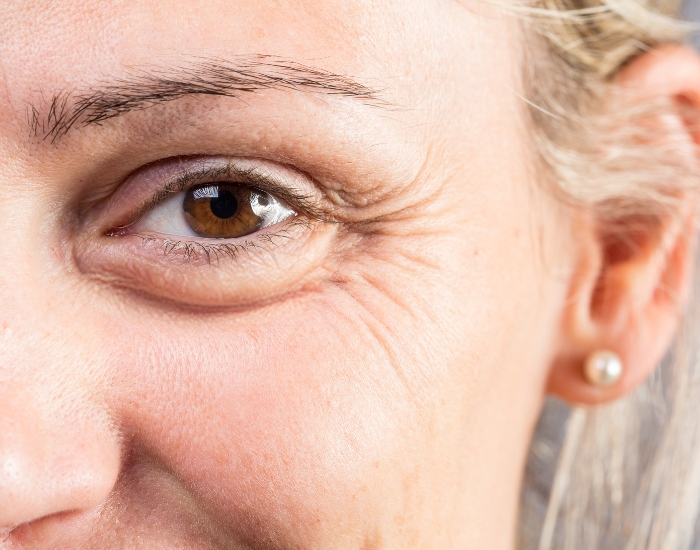
The skin around the eyes is constantly in motion—from smiling and laughing to squinting in bright light. Over time, these movements can create fine lines known as crow’s feet at the outer corners of the eyes. While these lines are a normal sign of expression and aging, some people feel they make them look more tired or older than they feel. Botox for crow’s feet is a non-surgical treatment designed to soften these lines while preserving natural facial movement. This blog explains how the treatment works, who it’s for, and what results you can expect.
Table of Contents
- What Makes Eye Wrinkles Form Over Time
- The Science Behind Botox for Crow’s Feet
- How Botox Improves the Look of Eye Lines
- Who Typically Benefits from Botox for Crow’s Feet Treatment
- What a Botox Visit Involves
- Healing, Results, and Maintenance
- Safety Notes and Possible Side Effects
- Frequently Asked Questions
- Final Thoughts
1. What Makes Eye Wrinkles Form Over Time
Crow’s feet form as a result of constant movement in the delicate eye area combined with the natural aging process. Every time you smile, laugh, or squint, the muscles around the eyes contract, gradually creating fine lines in the skin. Over time, these repeated movements cause the skin to crease and lose its ability to fully bounce back. The skin around the eyes is thinner and produces less oil than other areas of the face, making it more susceptible to dehydration and early wrinkles. As collagen and elastin levels decline with age, these fine lines become deeper and more visible, even when the face is at rest. Environmental and lifestyle factors such as sun exposure, stress, dehydration, and genetics can further influence how quickly crow’s feet develop and how pronounced they become.
2. The Science Behind Botox for Crow’s Feet
Crow’s feet form as a result of constant movement in the delicate eye area combined with the natural aging process. Every time you smile, laugh, or squint, the muscles around the eyes contract, gradually creating fine lines in the skin. Over time, these repeated movements cause the skin to crease and lose its ability to fully bounce back. The skin around the eyes is thinner and produces less oil than other areas of the face, making it more susceptible to dehydration and early wrinkles. As collagen and elastin levels decline with age, these fine lines become deeper and more visible, even when the face is at rest. Environmental and lifestyle factors such as sun exposure, stress, dehydration, and genetics can further influence how quickly crow’s feet develop and how pronounced they become.
3. How Botox Improves the Look of Eye Lines
Botox for crow’s feet is often chosen because it provides noticeable improvement without surgery or downtime. By relaxing targeted muscles, the treatment helps soften fine lines and creates a smoother appearance around the eyes while preserving natural movement.
Key benefits include:
- Smoother skin texture around the eyes
- A more rested and refreshed appearance
- Quick treatment sessions with no downtime
- Gradual results that appear natural
- Reduced muscle movement that can help prevent deeper wrinkles
With consistent treatments, many individuals notice that eye lines become less pronounced over time, contributing to a more youthful and relaxed look.
4. Who Typically Benefits from Botox for Crow’s Feet Treatment
Botox for crow’s feet is commonly suitable for adults who are concerned about fine lines around the eyes and want a non-invasive treatment option. It can benefit individuals with early signs of aging as well as those with more established wrinkles. Ideal candidates are generally in good overall health and have realistic expectations about the outcome. However, Botox may not be appropriate for everyone. People who are pregnant or breastfeeding, have certain neuromuscular disorders, or have known allergies to Botox ingredients should avoid treatment. A consultation with a licensed medical provider is essential to determine whether Botox is a safe and appropriate option based on individual health history and aesthetic goals.
5. What a Botox Visit Involves
A Botox visit for crow’s feet typically begins with a brief consultation to discuss concerns, desired results, and medical history. The provider will cleanse the treatment area and carefully map out the injection points around the eyes. Botox is administered using a very fine needle, and most patients report minimal discomfort that lasts only a few seconds. The procedure itself usually takes about 10–15 minutes. Because Botox is a non-surgical treatment, there is no required downtime, and most people can return to their normal activities immediately after the appointment.
6. Healing, Results, and Maintenance
After Botox treatment, mild redness, swelling, or small bumps may appear at the injection sites, but these effects typically resolve within a few hours. Patients are usually advised to avoid rubbing the area, lying flat, or engaging in strenuous activity for several hours following treatment. Results often begin to appear within three to five days and continue to improve over the next one to two weeks. The effects of Botox for crow’s feet generally last three to four months. To maintain smoother results, many individuals choose to schedule regular maintenance treatments.
7. Safety Notes and Possible Side Effects
Botox for crow’s feet is widely regarded as safe when performed by a trained and licensed professional. Most side effects are mild and temporary, such as slight bruising, swelling, or tenderness at the injection sites. Rare complications, including eyelid drooping or uneven results, are typically associated with improper injection technique. Selecting an experienced provider and carefully following post-treatment instructions can significantly reduce risks and support optimal outcomes.
8. Frequently Asked Questions
Q: How long does Botox for crow’s feet last?
Results usually last about three to four months.
Q: Will Botox make my eyes look unnatural?
When done correctly, Botox softens lines without changing natural expressions.
Q: Is there downtime after treatment?
No downtime is required, and most people resume normal activities immediately.
Q: When will I see improvement?
Initial results often appear within a few days, with full results in two weeks.
Q: Can Botox prevent crow’s feet from getting worse?
Yes, reducing muscle movement may help slow the progression of deeper lines.
9. Final Thoughts
Botox for crow’s feet is a non-surgical option that helps soften fine lines around the eyes by relaxing targeted muscles. It offers subtle, natural-looking results with minimal time commitment and no downtime. If you’re exploring treatment options for eye wrinkles, a consultation at CoCo Medical Spa can help you understand whether Botox for crow’s feet aligns with your goals.
Disclaimer: This content is intended for informational purposes only and does not substitute professional medical advice. Individual results may vary. Always consult a licensed medical provider before treatment.