

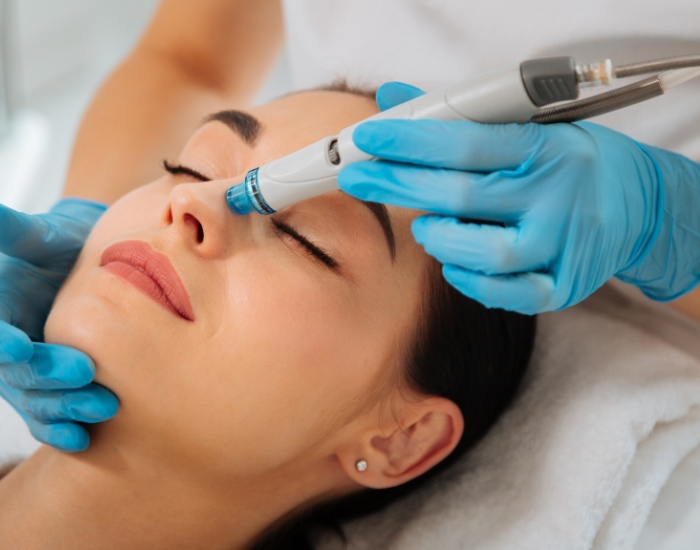
If you struggle with frequent breakouts, excess shine, or clogged pores that never seem to clear, finding the right facial treatment can feel frustrating. Acne and oily skin often go hand in hand, and while over-the-counter products may help temporarily, they don’t always address the root causes. This has led many people to ask whether hydrafacial for acne and oily skin is truly effective or just another skincare trend.
HydraFacial has gained popularity for its ability to cleanse, exfoliate, and hydrate the skin in one treatment, but its benefits go beyond surface-level glow. Understanding how HydraFacial works, why it’s suitable for acne-prone and oily skin, and what results you can realistically expect can help you decide if it’s the right option for your skincare needs.
Table of Contents
- What Causes Acne and Oily Skin?
- What Is a HydraFacial?
- How HydraFacial Helps Acne-Prone Skin
- How HydraFacial Controls Excess Oil
- Benefits of HydraFacial for Acne and Oily Skin
- How Often Should You Get a HydraFacial?
- Who Is a Good Candidate for HydraFacial?
- FAQs
- Final Thoughts
1. What Causes Acne and Oily Skin?
Acne and oily skin develop primarily due to overactive sebaceous glands. These glands produce sebum, a natural oil that protects the skin barrier. When too much sebum is produced, it can mix with dead skin cells and bacteria, clogging pores and triggering breakouts. This excess oil also gives the skin a shiny appearance and contributes to enlarged pores.
Hormonal changes are one of the most common triggers, especially during puberty, menstrual cycles, stress, or pregnancy. Genetics also play a major role, as oily skin often runs in families. Environmental factors such as heat, humidity, pollution, and improper skincare routines can further worsen acne and oiliness. Understanding these causes highlights why treatments that deeply cleanse and balance the skin, like HydraFacial, can be effective.
2. What Is a HydraFacial?
A HydraFacial is a non-invasive, multi-step facial treatment that uses patented vortex technology to cleanse, exfoliate, extract impurities, and infuse the skin with targeted serums. Unlike traditional facials, HydraFacial does not rely on harsh manual extractions, making it suitable for sensitive and acne-prone skin. The treatment removes dead skin cells and excess oil while delivering hydrating and soothing ingredients deep into the skin. Because it is customizable, HydraFacial can be adjusted to address specific concerns such as acne, oil control, congestion, and inflammation. This flexibility makes hydrafacial for acne and oily skin a popular choice among dermatology and medical spa professionals.
3. How HydraFacial Helps Acne-Prone Skin
One of the biggest benefits of HydraFacial for acne-prone skin is its ability to deeply cleanse pores without irritating the skin. The gentle exfoliation removes dead skin cells that contribute to clogged pores, while the suction technology extracts debris, oil, and impurities that can lead to breakouts. HydraFacial also helps reduce acne by delivering serums that contain ingredients like salicylic acid and antioxidants. Salicylic acid penetrates oil-filled pores, helping to clear congestion and reduce inflammation. Because the treatment is non-abrasive, it minimizes redness and irritation, making it suitable for individuals who experience sensitivity with traditional acne treatments.
4. How HydraFacial Controls Excess Oil
Excess oil production often worsens acne and contributes to enlarged pores. HydraFacial helps regulate oil by thoroughly cleansing the skin and restoring balance without stripping natural moisture. When the skin becomes overly dry, it can respond by producing even more oil, which is why aggressive treatments often backfire.
By hydrating the skin while removing excess sebum, HydraFacial sends a signal to the sebaceous glands that less oil production is needed. Over time, regular treatments can help normalize oil levels, improve skin texture, and reduce the shiny appearance associated with oily skin.
5. Benefits of HydraFacial for Acne and Oily Skin
HydraFacial offers multiple benefits for individuals struggling with acne and excess oil by addressing both active breakouts and long-term skin health. The treatment works by deeply cleansing pores while maintaining the skin’s natural moisture balance, helping improve clarity without irritation.
Key benefits of HydraFacial for acne and oily skin include:
- Reduces active breakouts by clearing pore congestion and excess oil
- Helps unclog pores and remove impurities that contribute to acne
- Improves overall skin clarity, tone, and texture
- Supports smoother skin and helps fade post-acne marks over time
- Balances oil production without stripping or over-drying the skin
Another major advantage of HydraFacial is its minimal downtime. Most individuals experience little to no redness and can return to normal activities immediately after treatment. Unlike harsher acne treatments that may cause peeling, dryness, or irritation, HydraFacial leaves the skin feeling refreshed, hydrated, and comfortable, making it a gentle yet effective option for ongoing acne and oily skin maintenance.
6. How Often Should You Get a HydraFacial?
The frequency of HydraFacial treatments depends on the severity of acne and oiliness. Many professionals recommend starting with treatments every four weeks to help clear congestion and stabilize oil production. Once the skin improves, maintenance sessions every one to two months can help sustain results. Consistency is key, as acne and oily skin are often ongoing conditions rather than one-time concerns. Regular HydraFacials can help prevent future breakouts by keeping pores clear and skin balanced.
7. Who Is a Good Candidate for HydraFacial?
HydraFacial is suitable for most skin types, including oily, acne-prone, and sensitive skin. It is especially beneficial for individuals who experience blackheads, whiteheads, mild to moderate acne, and excessive oil production. However, those with severe cystic acne or active skin infections may need alternative treatments before considering HydraFacial. A professional consultation helps determine whether hydrafacial for acne and oily skin is appropriate or if it should be combined with other treatments for optimal results.
8. FAQs
Is HydraFacial good for acne and oily skin long term?
Yes, regular HydraFacial treatments can help control oil, reduce breakouts, and maintain clearer skin over time.
Can HydraFacial cause breakouts?
Some people may experience minor purging initially, but this usually resolves quickly as the skin adjusts.
Does HydraFacial help with acne scars?
HydraFacial improves texture and tone but may not fully treat deep acne scars.
Is HydraFacial safe for sensitive acne-prone skin?
Yes, it is gentle and customizable, making it suitable for sensitive skin types.
How soon will I see results from HydraFacial?
Most people notice clearer, smoother skin immediately after treatment.
9. Final Thoughts
So, is hydrafacial for acne and oily skin effective? For many people, the answer is yes. By deeply cleansing pores, regulating oil production, and hydrating the skin, HydraFacial offers a balanced approach to managing acne and excess oil. While it may not replace medical acne treatments for severe cases, it is a valuable option for improving skin clarity and maintaining long-term skin health.
If you’re dealing with persistent breakouts or oily skin and want a gentle, effective solution, a personalized consultation can help determine the right treatment plan. CoCo Medical Spa offers customized HydraFacial treatments designed to support clearer, healthier-looking skin.
Disclaimer: This content is for informational purposes only and does not constitute medical advice. Individual results may vary. Always consult a qualified professional before beginning any skincare treatment.