

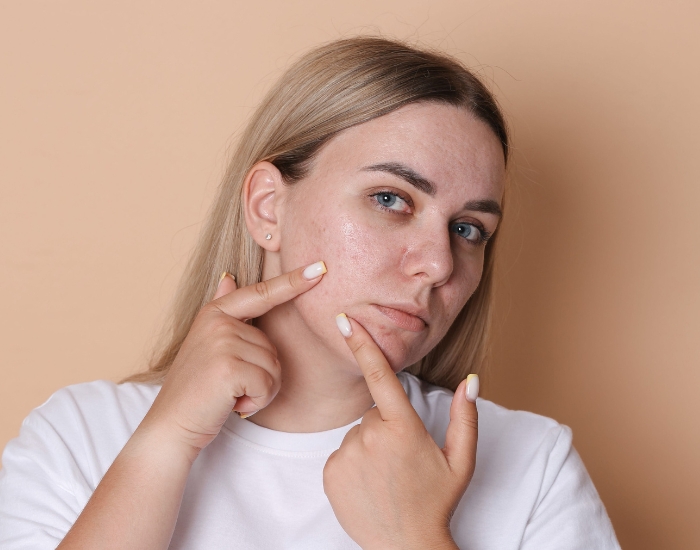
Acne scars can be a lasting reminder of past breakouts, and many people wonder: what is the best treatment for acne scars? The answer depends on the type of scar, your skin type, and how long the scars have been present. Acne scars can range from deep pits and depressions to red or brown marks that linger long after the acne has healed. Choosing the right treatment is not only about appearance—it’s about improving skin health and preventing future scarring. In this article, we will explore the most effective acne scar treatments, from topical solutions to advanced dermatological procedures, so you can make an informed decision.
Table of Contents
- What Causes Acne Scars?
- Types of Acne Scars
- Factors That Affect Acne Scar Treatment
- Best Treatment for Acne Scars (Medical & Cosmetic Options)
- Home Care and Prevention
- FAQs
- Final Thoughts
1. What Causes Acne Scars?
Acne scars form when the skin tissue is damaged during the healing process of a pimple, cyst, or nodule. Acne is not just a surface problem — when inflammation reaches deep into the skin, it can harm the underlying collagen structure. Collagen is the protein that supports the skin and helps it stay smooth and firm. When the body repairs this damaged tissue, it may either produce too little collagen or produce too much, resulting in scars that appear as either depressions or raised bumps.
Deep inflammation increases the risk of scarring because the skin’s natural healing process becomes disrupted. In many cases, picking or squeezing acne can worsen inflammation, forcing the body to repair more damaged tissue and increasing the chance of permanent scarring. Other factors also influence scarring, including genetics (some people naturally heal with more scar tissue), skin type (oily or sensitive skin can be more prone to inflammation), and the severity of acne (cystic acne is more likely to leave scars than mild acne). Understanding what causes acne scars helps you recognize why prevention and early treatment are so important.
2. Types of Acne Scars
Acne scars are not one-size-fits-all, and each type requires a different treatment approach. The most common forms are ice pick scars, boxcar scars, and rolling scars. Ice pick scars are deep, narrow, and look like small holes or punctures in the skin. They are often the result of severe acne that destroys the tissue deep inside the skin. Because they extend deep, ice pick scars are usually harder to treat and often require advanced procedures. Boxcar scars are wider and have sharp edges, similar to the shape of a box. They can be shallow or deep, creating a pitted appearance that is more visible under certain lighting.
Rolling scars, on the other hand, create a wave-like texture across the skin. This happens when scar tissue pulls at the skin surface, forming uneven valleys and ridges. Another very common type is post-inflammatory hyperpigmentation (PIH). PIH isn’t a true scar, but it is a discoloration left behind after acne heals. It appears as red, brown, or dark marks and can last for months. While PIH does not create texture changes like other scars, it can still make skin appear uneven and aged. Identifying your scar type is crucial because it helps determine the most effective plan for the best treatment for acne scars.
3. Factors That Affect Acne Scar Treatment
Several important factors influence which acne scar treatment will work best for you. First, the type and depth of the scar matter most — deeper scars often need more intensive procedures such as laser therapy, microneedling, or fillers, while superficial scars may improve with topical treatments. Skin tone and sensitivity also play a major role, especially for people with darker skin tones. Some treatments, like certain laser types or strong chemical peels, can cause pigmentation changes or dark spots if not chosen carefully. Age and skin elasticity are additional factors. Younger skin typically has more collagen and may respond faster to collagen-stimulating treatments like microneedling.
Older skin, especially skin that has lost elasticity, may require more aggressive or combined approaches. Another key factor is the severity and duration of scarring. Scars that have been present for many years often need longer treatment plans and multiple sessions to show improvement. Finally, consistency and patience are essential because most acne scar treatments require repeated sessions and time for skin remodeling. Results often become noticeable after several weeks to months, and ongoing maintenance is sometimes necessary to prevent new scars from forming.
4. Best Treatment for Acne Scars (Medical & Cosmetic Options)
When asking “what is the best treatment for acne scars,” the answer is usually a combination of treatments tailored to the scar type. Here are the most effective options based on current dermatology standards.
4.1. Microneedling
Microneedling is a popular treatment for acne scars because it stimulates collagen production and improves skin texture. Tiny needles create controlled micro-injuries, encouraging the skin to heal and remodel. It is especially effective for rolling scars and mild to moderate acne scarring.
4.2. Laser Therapy
Laser treatments are among the best options for acne scars, especially for deeper scars and pigmentation issues. Fractional laser resurfacing targets damaged skin and promotes new collagen growth. It can also help reduce redness and brown marks caused by acne.
4.3. Chemical Peels
Chemical peels help improve acne scars by removing the outer layer of skin and promoting cell turnover. This treatment works best for mild scarring and post-inflammatory hyperpigmentation. Stronger peels should be performed by a qualified professional to reduce the risk of complications.
4.4. Dermal Fillers
For deeper acne scars, dermal fillers can provide immediate improvement by lifting depressed areas. Fillers like hyaluronic acid add volume and smooth the skin surface. This is often combined with other treatments for long-term results.
4.5. Subcision
Subcision is a procedure used for rolling scars, where a small needle is inserted under the skin to break up scar tissue. This releases the skin and allows it to lift, reducing the depressed appearance.
4.6. Topical Retinoids and Vitamin C
For mild scarring and prevention, topical retinoids help increase cell turnover and collagen production. Vitamin C helps fade dark marks and improve skin brightness. These are often used as part of a daily skincare routine.
5. Home Care and Prevention
Even the best treatment for acne scars will be less effective if acne continues to flare. Preventing new breakouts is a key part of reducing scarring. A gentle skincare routine that includes cleansing, exfoliation, and sun protection is essential. Avoid picking or squeezing acne, and use products suited to your skin type. Sunscreen is especially important because UV exposure can darken scars and slow healing. Eating a balanced diet, managing stress, and staying hydrated can also support skin recovery.
6. FAQs
Q1: What is the best treatment for acne scars on the face?
A1: The best treatment for acne scars on the face depends on scar type. Microneedling, laser therapy, and chemical peels are commonly recommended for facial acne scars, while deeper scars may need fillers or subcision.
Q2: Which treatment is best for deep acne scars?
A2: Deep acne scars often respond best to laser resurfacing, microneedling combined with PRP, or dermal fillers. A professional evaluation is needed to choose the best approach.
Q3: Can acne scars be removed completely?
A3: Acne scars cannot always be removed completely, but they can be significantly improved with the right treatment plan. Many patients achieve smoother and more even skin with combined therapies.
Q4: What is the best treatment for acne scars and hyperpigmentation?
A4: For acne scars and hyperpigmentation, laser therapy and chemical peels are effective, often combined with topical retinoids and vitamin C for better results.
Q5: How long does it take to see results from acne scar treatment?
A5: Results vary, but most treatments show improvement after several weeks to months. Multiple sessions are usually needed for best results.
7. Final Thoughts
Acne scars can be challenging, but with the right approach, they can be significantly reduced. The best treatment for acne scars is often a personalized plan that combines multiple options based on your skin type and scar severity. Whether you choose microneedling, laser therapy, chemical peels, or fillers, the key is consistency and professional guidance. With patience and proper care, most people can achieve smoother, healthier-looking skin.
If you’re looking for a personalized acne scar treatment plan, CoCo Medical Spa can help you determine the best treatment for acne scars based on your skin type and scar severity.
Disclaimer: This article is for informational purposes only and does not replace professional medical advice. Consult a qualified healthcare professional before starting any treatment.